Address:
1311 Sundial Point
Winter Springs, FL 32708


Myopia Is More Than a Glasses Problem
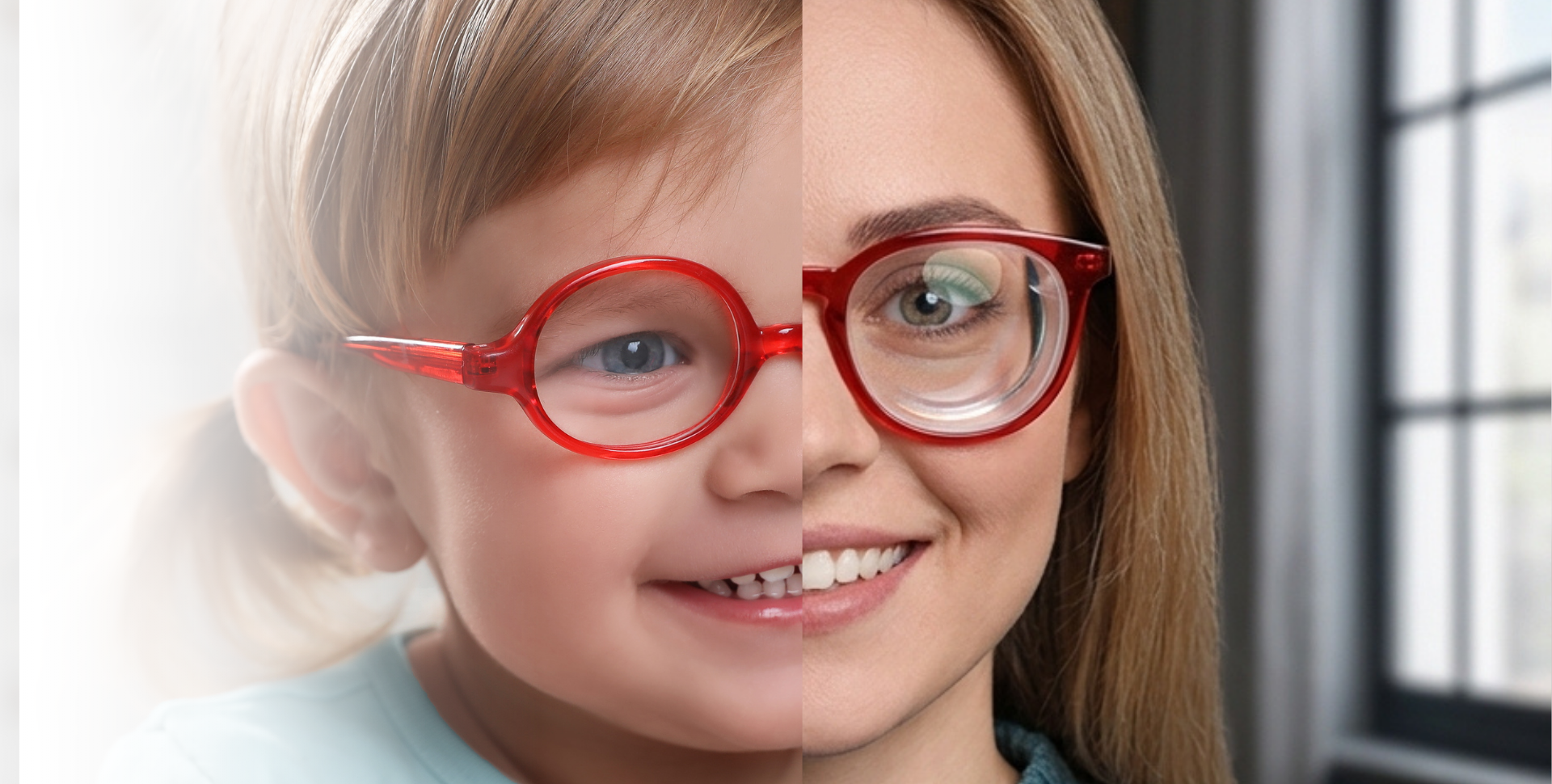
When a child is diagnosed with myopia, the first solution is often simple: get glasses.
And glasses are important. They help your child see clearly and function confidently at school, during sports, and in everyday life.
But there is an important distinction parents should understand:
Glasses correct the blur caused by myopia. They do not necessarily stop myopia from progressing.
What Is Actually Happening Inside the Eye?
Myopia occurs when the eye grows too long from front to back, or when the optical components of the eye cause light to focus in front of the retina rather than directly on it.
As a child's eye continues to elongate, their prescription may become increasingly nearsighted. This is why some children seem to need a stronger prescription every year.
The concern isn't simply that they will need thicker glasses.
The concern is the continued growth and elongation of the eye.
Myopia Isn't Just About Seeing the Board
It can be easy to think of myopia as a vision problem because the most noticeable symptom is blurry distance vision.
But myopia is also associated with changes to the structure of the eye. As myopia becomes higher, the risk of certain eye conditions later in life can increase, including retinal detachment, myopic maculopathy, glaucoma, and other complications affecting vision.
That is why managing myopia during childhood is becoming an increasingly important part of pediatric eye care.
“Just Get Stronger Glasses” Isn't the Whole Conversation
If your child's prescription changes from year to year, simply updating their glasses may provide clear vision—but it doesn't address the underlying progression.
Parents should be asking:
Is my child's myopia progressing?
How quickly is it changing?
Is their eye continuing to elongate?
Are there options to help slow that progression?
These questions shift the focus from simply correcting vision to managing the condition.
Myopia Management: Looking Beyond the Prescription
Myopia management is designed to help slow the progression of childhood myopia and reduce excessive eye elongation.
Depending on your child's age, prescription, lifestyle, and individual needs, treatment options may include:
- Specialized myopia-control spectacle lenses
- Specialty contact lenses
- Orthokeratology (Ortho-K)
- Atropine therapy when appropriate
- Environmental and lifestyle recommendations
- Regular monitoring of prescription and eye health
- Other treatment recommended by Dr. Ellison
There isn't one solution that is right for every child. A comprehensive evaluation helps determine which approach may be appropriate.
Clear Vision Today. Healthier Eyes for Tomorrow.
Your child's glasses are an important part of their care—but myopia management goes beyond making things look clear today.
If your child's prescription is changing quickly or they are becoming increasingly nearsighted, talk with an eye care professional about whether myopia management may be appropriate.
Don't just keep correcting the prescription. Understand why it's changing—and explore what you can do about it.
© 2026 Trinity Eye Associates. All rights Reserved - Accessibility Statement - Privacy Policy
Powered by