Address:
1311 Sundial Point
Winter Springs, FL 32708


What to Expect During a Dry Eye Evaluation at Trinity Eye Associates
Dry eye disease affects millions of people worldwide, yet many people don't realize they have it until their symptoms begin to interfere with everyday life. If your eyes often feel dry, irritated, watery, tired, or your vision fluctuates throughout the day, a comprehensive dry eye evaluation can help identify the cause and guide you toward lasting relief.
At Trinity Eye Associates, we take a personalized approach to diagnosing and treating dry eye because no two patients experience it the same way.
Understanding Dry Eye Disease
Healthy tears are essential for keeping your eyes comfortable, protecting the surface of the eye, and providing clear vision. When your tears become unbalanced—whether due to poor tear quality, reduced tear production, or excessive tear evaporation—dry eye disease can develop.
Dry eyes don't just cause discomfort. It can also:
Cause blurry or fluctuating vision throughout the day
Make reading, driving, or using digital devices more difficult
Reduce your overall quality of life
Lead to eye infections or scarring if left untreated
One of the most common causes of dry eye is Meibomian Gland Dysfunction (MGD), where the oil-producing glands in the eyelids become blocked or damaged. These glands produce the oil layer of your tears, helping prevent them from evaporating too quickly.
Who Is at Risk?
Several factors can increase your risk of developing dry eye, including:
Aging
Certain medications
LASIK or other eye surgeries
Contact lens wear
Glaucoma eye drops users
Environmental factors such as air conditioning, ceiling fans, or dry climates
Long hours spent on computers and digital devices
Some people experience burning, stinging, redness, or watery eyes, while others may have very few noticeable symptoms, even when a significant dry eye is present.
What Happens During Your Dry Eye Visit?
We Start by Learning About You
Your visit begins with a detailed discussion about your eye health and medical history. Understanding your lifestyle helps us identify potential causes of your symptoms.
We'll ask about:
Current medications
Previous eye surgeries, including LASIK
Contact lens use
Existing eye conditions
Your work environment and daily screen time
Symptoms affecting your vision or comfort
This information allows us to build a complete picture of your eye health.
Advanced Dry Eye Testing
Next, we'll perform specialized diagnostic testing using advanced technology to evaluate your tear film and eyelid health.
Depending on your needs, your evaluation may include:
Measuring your tear production
Assessing tear quality and stability
Evaluating your blink pattern
Examining your meibomian glands
Digital imaging of the meibomian glands to assess their structure and function
These tests help determine whether your dry eye is caused by poor tear production, excessive evaporation, Meibomian Gland Dysfunction (MGD), or a combination of factors.
Your Personalized Treatment Plan
Because every patient is different, your treatment plan will be customized based on your test results and symptoms.
Treatment may include:
Lifestyle and Environmental Changes
Simple adjustments can often make a significant difference, such as:
Blinking more frequently during screen use
Staying well hydrated
Increasing omega-3 intake and other recommended supplements
Reducing direct airflow from ceiling fans or air vents
Lubricating Eye Drops and Gels
Artificial tears or prescription eye drops may be recommended to improve comfort and keep the eyes properly lubricated.
Eyelid Hygiene
If blocked meibomian glands are contributing to your dry eye, we may recommend professional lid hygiene treatments and an at-home eyelid care routine to improve gland function.
Punctal Plugs
For patients with reduced tear production, tiny punctal plugs can be inserted into the tear drainage openings to help retain natural tears on the surface of the eye longer, reducing dryness and improving comfort.
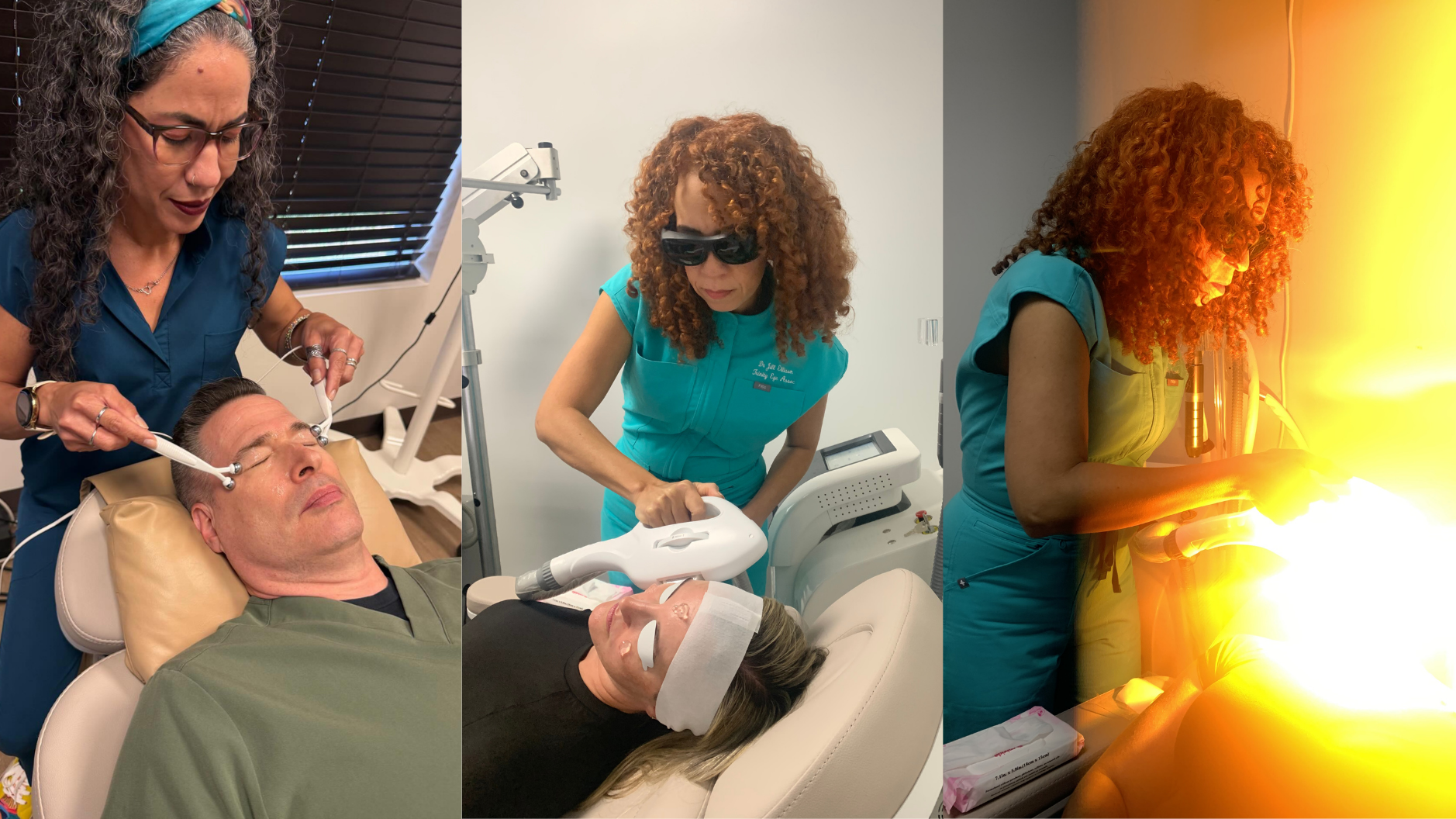
Intense Pulsed Light (IPL) Therapy
For patients with inflammatory dry eye or Meibomian Gland Dysfunction, Intense Pulsed Light (IPL) therapy may be recommended.
Our treatment protocol typically includes:
Four IPL treatments spaced 2–3 weeks apart
Low-Level Light Therapy (LLLT) before each IPL session
Manual expression of the meibomian glands following treatment
This combination helps reduce inflammation, improve oil gland function, and promote healthier tear production.
MyoLift
To further support eyelid function and maintain healthy meibomian glands, MyoLift treatments may be recommended. This therapy helps improve eyelid positioning and blinking efficiency, which play an important role in maintaining a healthy tear film.
Early Detection Makes a Difference
Dry eyes are more than an occasional inconvenience. Left untreated, it can affect your vision, comfort, and long-term eye health. The good news is that with early diagnosis and personalized treatment, many patients experience significant relief and improved quality of life.
If you're experiencing dry, irritated, watery, tired eyes or your vision seems to fluctuate throughout the day—don't ignore the symptoms. A comprehensive dry eye evaluation can help identify the underlying cause and get you on the path toward healthier, more comfortable eyes.
Schedule your Dry Eye Evaluation at Trinity Eye Associates today and discover a personalized treatment plan designed specifically for your eyes. Call or Text 407-678-9151 or visit Dry Eye Services to learn more.
© 2026 Trinity Eye Associates. All rights Reserved - Accessibility Statement - Privacy Policy
Powered by